Resources
Blog
- By Sean Moth
- Friday, 28 August 2026
- Applications:
Why Infrastructure Materials Keep Evolving
Innovation. It leads. We lead with it.
Innovation has always shaped the way we build infrastructure. As needs change, materials and methods evolve with them.
In Europe, excavations uncovered extensive networks of hollowed out alder logs clamped together with oak blocks used to convey water – dating back to an era between the first and third century.
In the 18th and 19th centuries, pine, elm, hemlock, and alder logs were hollowed out by hand and linked with iron bands and used as water and sewer lines.
There was a need for a means of water conveyance.
And the solution came in the shape of hollowed logs.
They leaked, had significant pressure and durability limitations, and obviously could not stand the test of time due to decay and biodegradation.
By today’s standards, wooden pipelines may seem primitive. At the time, they were an innovative solution to a very real problem.
From Wood to Iron, Steel and Concrete
By the the 1800s in the piping world, when population increases demanded a better solution that could limit leaks, last longer, handle larger volumes, and support pressurized conveyance.
Enter cast iron.
Growing cities and increasing water demands called for bigger and more reliable systems.
And piping technology continued to evolve with steel and concrete.
Nobody was inclined to go back to hollowing out logs, as new materials came into play.
Every step of the way, the previous solution gave way to new demands and new options.
Larger populations. Longer distances. Corrosion. Water Loss. Installation costs.
A new problem brought a new solution. And each new solution eventually revealed its limitations.
What Does Modern Infrastructure Demand?
As modern infrastructure grew more complex, so did the questions being asked of piping systems.
Can we eliminate leaks to protect our water and infrastructure assets?
Is there a pipe that installs more quickly and efficiently?
Can we install a system designed for long-term service life?
Those questions helped drive another evolution in piping materials.
The Development of HDPE Pipe
It wasn’t until the 1950s that luminaries in the polyethylene world like Karl Ziegler, J. Paul Hogan and Robert L. Banks helped usher in the modern polyethylene era.
Polyethylene quickly moved beyond early consumer applications as advancements in resin technology opened the door to increasingly demanding piping applications. Those materials have continued to evolve.
HDPE offered a different approach to many of the challenges facing modern piping systems.
Fused Joints and Lead Reduction
HDPE pipe can be heat fused to create a continuous piping system, eliminating mechanical joints that can become potential leak points in traditional piping systems.
Corrosion Resistance
Unlike metallic piping materials, HDPE does not rust or corrode and does not require cathodic protection. That can simplify long-term operation and maintenance in corrosive environments.
Installation and Constructability
HDPE’s flexibility and relatively light weight provide installation advantages, while long pipe lengths and fused connections reduce the number of joints required. The material is also well suited for installation methods such as horizontal directional drilling and sliplining.
Long-Term Performance
Material selection is about more than initial cost. Maintenance, repairs, water loss, installation requirements, and expected service life all contribute to the lifecycle performance of a piping system.
But people still put legacy materials in the ground with adaptations that try to shield shortcomings like cathodic protection, HDPE liners and the hassle of extra fittings and thrust blocks. That doesn’t even delve into the leak-free nature and ease of installation measures.
Traditional materials remain appropriate for many applications, but they also require additional measures, from corrosion protection to mechanical fittings and thrust restraint, to address specific system requirements. That makes it important to evaluate the complete system rather than pipe material alone.
Somehow, the labor involved with opening cans manually became TOO much, so an electric version was created in the 1950s.
Every house had one. They were awful and unnecessary.
And we realized that the wrong improvement had been made, and the answer was a tweak to an earlier iteration that hit the mark.
Thus, the new and improved hand-held device answers the bell better than the other horses that jumped out of the gate.
We moved on to vacuums from brooms.
Have you seen someone get up off the couch to change the channel on the television lately?
I mean, there is nuance to outmoded tech like film cameras and vinyl records.
But professional photographers and radio stations don’t bother with either unless it is the rare occasion that the nuance is sought.
Innovation Is About Solving the Next Problem
We see practical change and let innovation lead the way to our adaptation.
We don’t yearn to grab our trusty bayonet or claw to get to our SpaghettiOs.
And we don’t randomly bid on the cost of pine to replace our rural water line.
For a very good reason.
The lesson isn’t that the newest solution is always the right one. Pipe material selection still depends on the application, operating conditions, installation requirements, specifications, and economics.
But infrastructure has always advanced by finding better ways to solve real problems.
Countless applications lean on the leak-free, safe, sustainable, century-long solution that is HDPE.
Today, HDPE is used across water, wastewater, industrial, energy and other critical infrastructure applications where joint integrity, corrosion resistance, constructability and long-term performance matter.
Not EVERY piping need calls for HDPE as the exclusive solution.
But with innovation, that list is getting smaller every day.
And as infrastructure demands continue to change, materials will continue to evolve with them.
Innovation leads.
As one of our core values, ISCO will continue leading with innovation.
Watch the video below to learn more about how ISCO is leading in pipeline innovation


Access our deep HDPE knowledge
field-reports
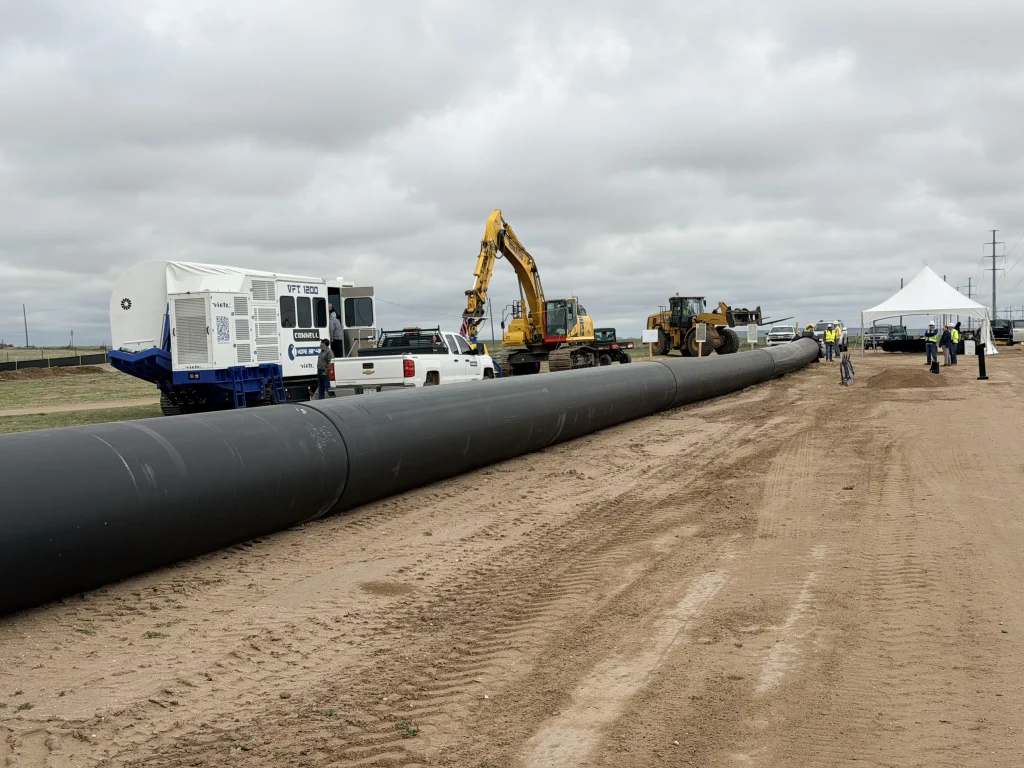
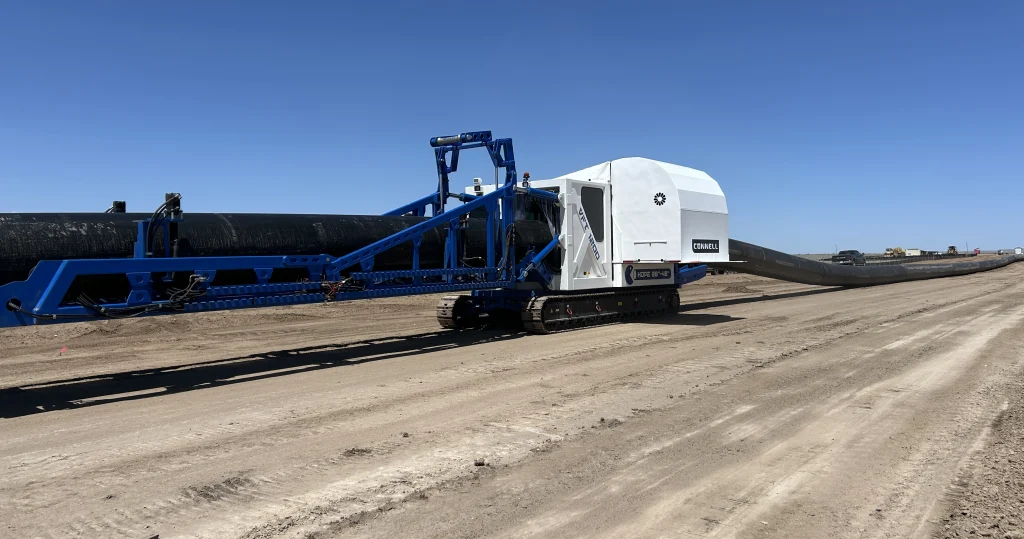
Large-Diameter HDPE Pipe to Solve Northern Colorado’s Long-Term Water Supply Challenge
FrontRange H2O Partners selected ISCO as the HDPE pipe supplier for the Vita H2O Project,...
field-reports
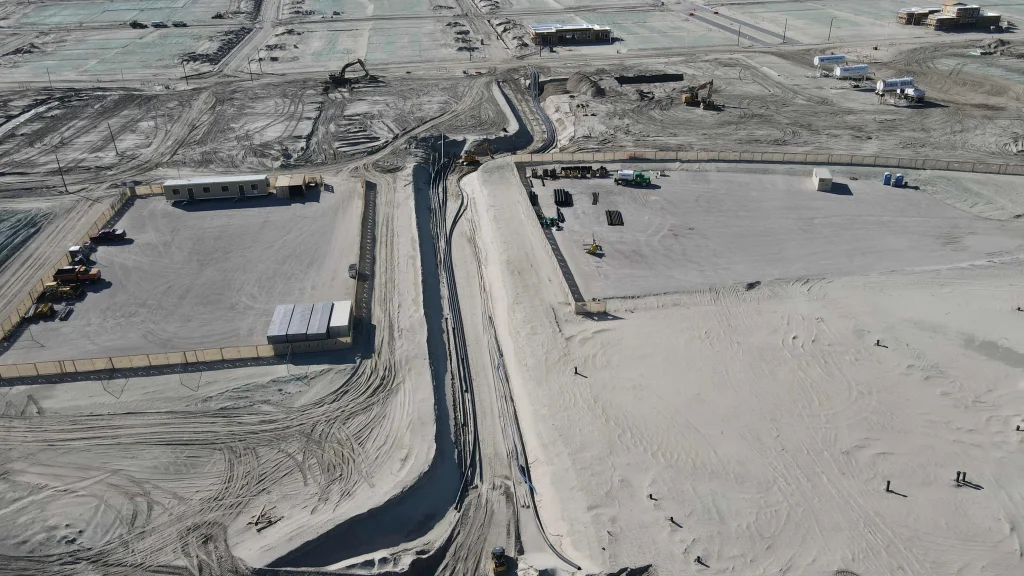
Cotino Bay Lagoon Infrastructure
35,000+ LF of HDPE pipe installed for lagoon infrastructure in Rancho Mirage. See how ISCO...
field-reports
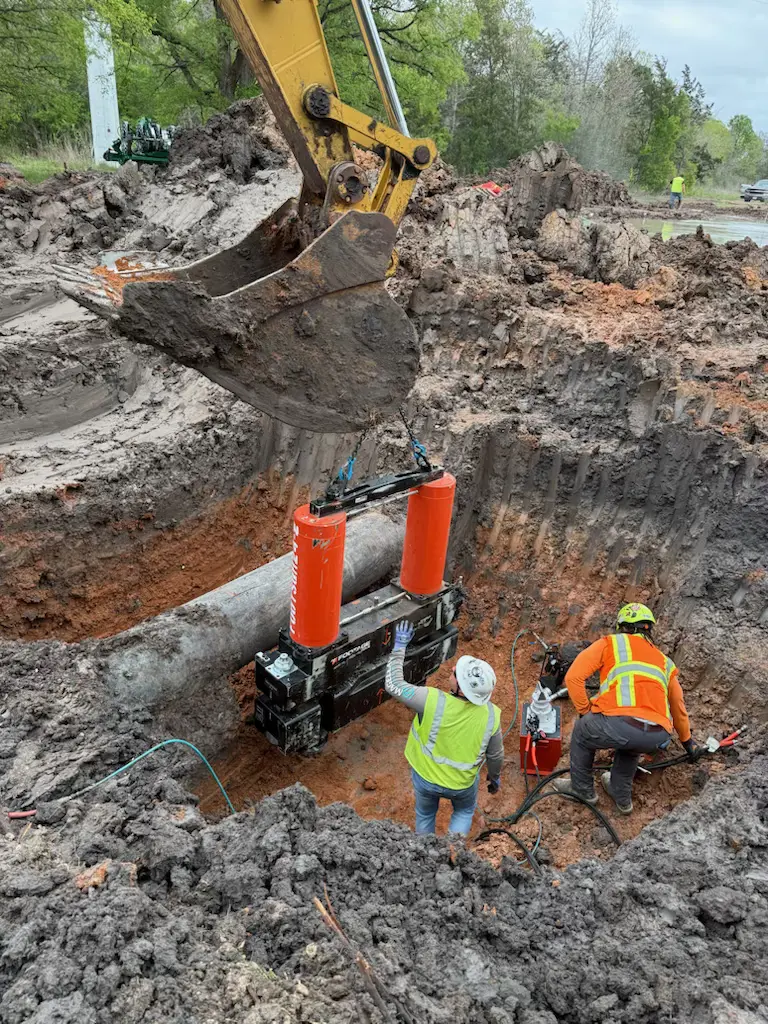
24-Inch HDPE Water Main Emergency Repair
When a critical 24-inch domestic water main serving Texas A&M University developed a leak, ISCO...