Resources
Blog
- By ISCO
- Monday, 15 December 2025
- Applications: Water
Why Large-Diameter HDPE is Replacing Concrete and Steel in Stormwater and Sewer Projects
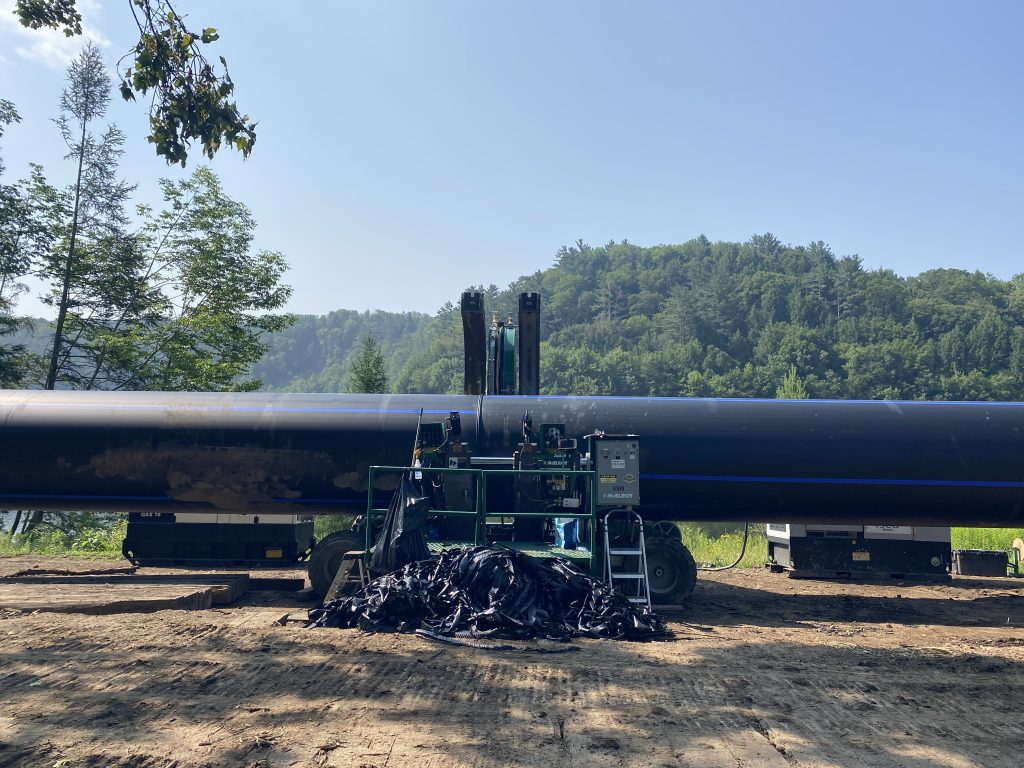
Large-diameter HDPE pipe is increasingly specified for stormwater and sewer infrastructure due to its corrosion resistance, long service life, and constructability advantages over concrete and steel.
As municipalities, engineers and contractors seek more resilient, sustainable piping solutions, large-diameter HDPE (high-density polyethylene) has emerged as a powerful alternative to legacy materials like reinforced concrete pipe (RCP) and steel. From stormwater detention to sewer trunk relining, today’s infrastructure pipe projects demand performance that older systems can’t match.
The Problem with Legacy Materials
Concrete and steel pipes have been used in infrastructure projects for decades. But as systems age and the demands on them increase, their weaknesses are becoming more apparent:
- Costly installation:
Concrete and steel pipes require cranes and heavy machinery to handle, increasing installation time, safety risks, and costs. - Corrosion and degradation:
Steel rusts, concrete cracks, spalls, and degrades when exposed to aggressive soils, chemicals and freeze-thaw cycles. - Leaks, loss and infiltration:
Over time, joints in legacy systems weaken, leading to leaks, infiltration, and expensive repairs. - High lifecycle costs:
Initial savings are often outweighed by the long-term cost of maintenance, rehabilitation and replacement.
Advantages of Large-Diameter HDPE
Engineered for today’s infrastructure needs, large-diameter HDPE pipe systems like Spirolite® offer superior performance where traditional materials fall short.
- Lightweight and easy to install:
Spirolite HDPE pipe is significantly lighter than concrete or steel, allowing contractors to install faster and more safely. - Exceptional corrosion resistance:
HDPE naturally resists chemical attack, aggressive soils and corrosion, making it ideal for stormwater and sanitary sewer applications. - Leak-free joining systems:
With options for bell and spigot joints or thermal extrusion welding, Spirolite pipes form a durable, leak-free seal for long-term reliability. - 100+ year design life:
HDPE’s durability translates to less maintenance and longer service life, offering real value over the lifetime of the system.
Applications Where HDPE is Winning
Large-diameter HDPE isn’t just an emerging trend—it’s solving real-world infrastructure challenges across industries:
- Trenchless sewer relining: Slip-lining aging trunk sewers and interceptors without excavation
- Culvert rehabilitation: Restoring failing culverts under roadways, railways and canals
- Stormwater detention: Building underground storage that controls runoff and prevents flooding.
- Landfill leachate systems: Handling aggressive leachate and gas collection without corrosion concerns
- Municipal outfall pipelines: Managing stormwater discharge to lakes, rivers and treatment facilities
Build Infrastructure That Lasts
Infrastructure demands are evolving—and so should the pipe materials we use to build it. Spirolite HDPE pipe systems offer a smarter way forward: faster installs, lower total costs, longer system life, and unmatched adaptability.
Ready to modernize your next project? Learn more about Spirolite HDPE Solutions here →


Access our deep HDPE knowledge
field-reports
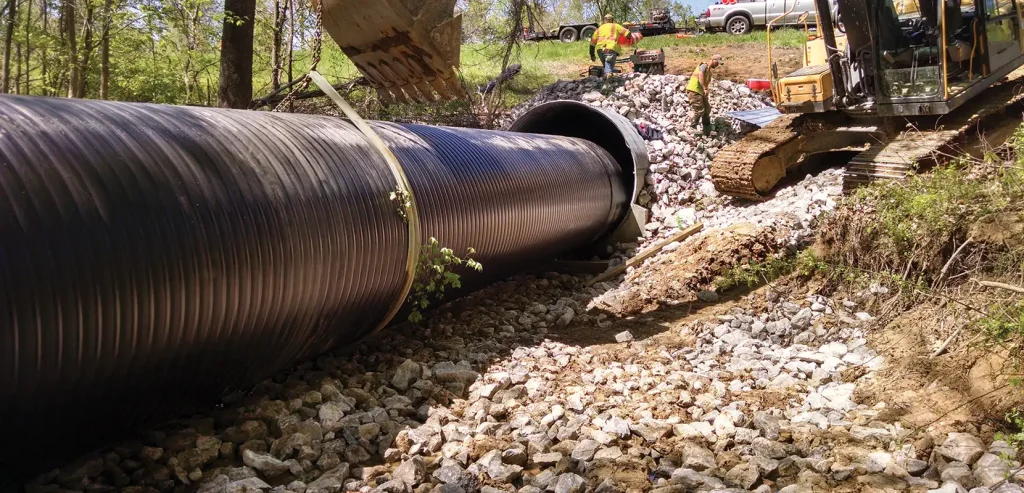
Rehabilitating 40 Levee Culverts with Snap-Tite® HDPE
Williamsport’s levee system required rehabilitation of 40 aging culverts—without excavation. See how Snap-Tite® HDPE delivered...
field-reports
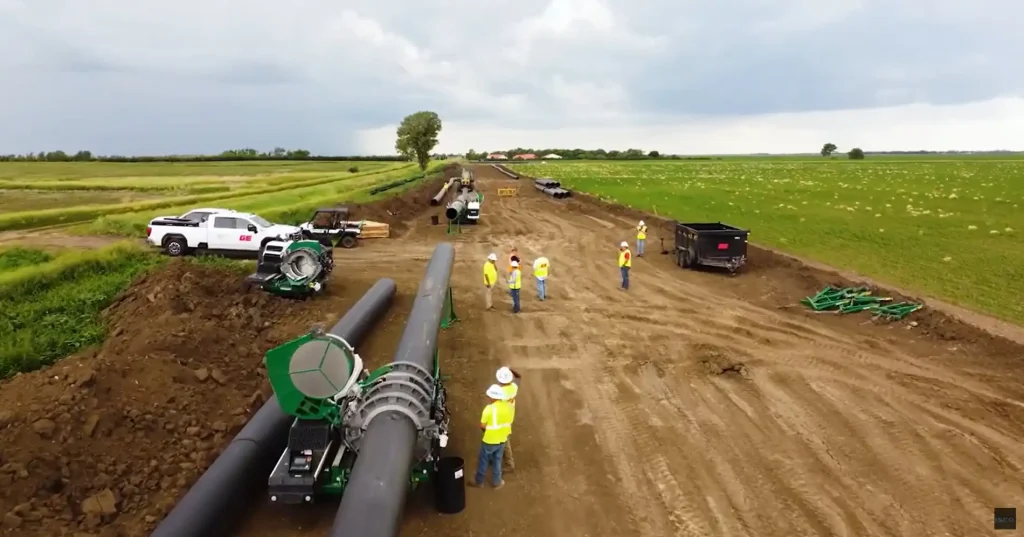
70-Mile Rural Water HDPE Pipeline Project
Randall Water District in South Dakota launched a large-scale water conveyance pipeline project to install...
field-reports
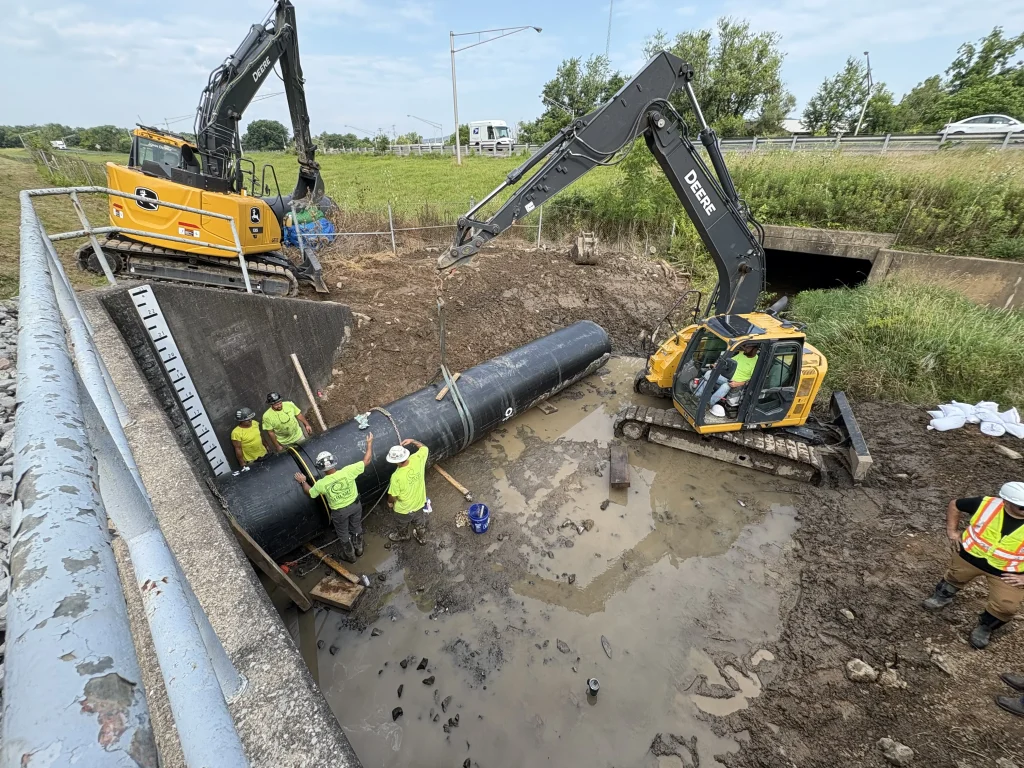
Delivering a Reliable HDPE Water Transmission Line Through Collaboration
When Mohawk Valley Water Authority needed to upgrade aging transmission mains, collaboration brought the solution...